Why Plan Your 2026 Home Renovation Now?
With 2026 just around the corner, now is the ideal time to start planning your renovation. While material availability has largely stabilised this year, there are still pockets of longer lead times for bespoke kitchen cabinetry, specialist tiles, premium flooring ranges and other high-demand finishes. Getting ahead now helps you avoid delays and secure the exact styles and colours you want.
The Christmas period also brings a natural lull, and that quiet stretch between the turkey and yet another chocolate from the tin is the perfect moment to sit down, gather ideas and map out your renovation plans. Even a bit of planning now puts you well ahead for January, when trades become busy and schedules fill up quickly. Starting early gives you more choice, better timelines and a smoother run into your 2026 renovation.
Setting a Realistic Budget
A well-planned budget is the foundation of any successful home renovation planning, especially when kitchens and flooring are involved, as these two areas are often the biggest investment. Before you start gathering quotes or choosing finishes, it helps to break down your budget into clear categories so you know where your money will make the most impact.
Kitchens vary widely in cost depending on layout, cabinetry style, appliances, worktops and installation complexity. A small or straightforward kitchen could start at the lower end, while a larger, bespoke design with premium materials will naturally sit higher. Separating your kitchen budget into cabinetry, worktops, appliances and fitting makes it easier to adjust individual areas without losing sight of the overall spend.
Flooring is another major element, and prices depend heavily on material. Engineered wood, LVT, laminate and tiles each come with different supply and installation costs. Thinking about durability, maintenance and the size of the space will help you determine what offers the best long-term value for your home.
It is also wise to build in a contingency of around 10-15%. Renovations often bring unexpected costs, especially when removing old flooring, adjusting layouts or updating electrics or plumbing. A buffer helps ensure these moments do not derail your plans or push your budget further than expected.
By setting a clear budget early, you can make confident decisions, choose the right materials and avoid unnecessary compromises later in the process.
Planning Your New Kitchen
The kitchen is often the centrepiece of a renovation, so taking time to plan it properly will make a huge difference to how the space looks and functions. Start by thinking about how you use your kitchen day to day. Whether you love to cook, need plenty of storage, or want an open-plan layout that connects to your dining and living areas, your lifestyle should guide the design.
Layout is one of the most important decisions. Consider how you move around the space and try to create a smooth, efficient flow between the sink, hob and fridge. Even small layout tweaks can make cooking easier and help the room feel more spacious. If you are planning an extension or knocking through walls, this is the moment to rethink the entire footprint.
Storage is another priority. Deep drawers, internal organisers, pull-out larders and hidden recycling bins all help you make the most of your space and reduce clutter. Many homeowners underestimate how much storage they need, so it is worth planning generously.
Appliances should be chosen early in the process as they often influence cabinetry design. Options like a Quooker boiling water tap or a BORA downdraft hob can free up space and give the kitchen a modern, streamlined look. Selecting these at the design stage ensures they are integrated neatly and functionally.
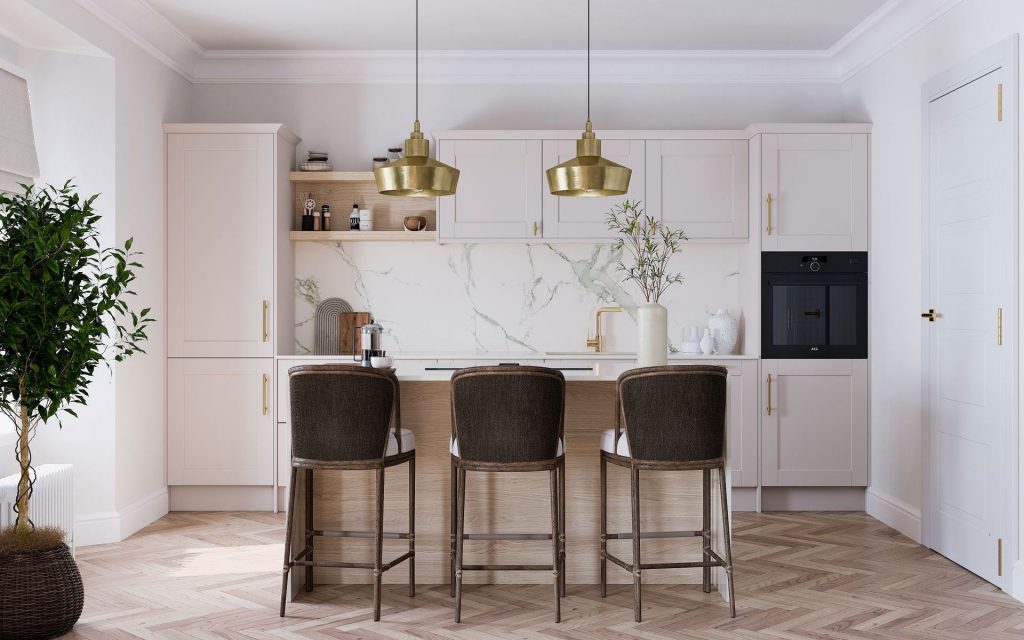
Finally, consider the style and finishes that reflect your taste. Whether you prefer warm neutrals, painted shaker doors or a minimalist handleless look, consistency across cabinetry, worktops and flooring will help create a cohesive, elegant space.
Careful planning now ensures your kitchen becomes both a practical workspace and a beautiful part of your home for years to come.
Choosing the Right Flooring
Flooring plays a huge role in how your renovated home looks and feels, and it is often one of the first things people notice when they walk into a space. When planning for 2026, it is worth taking your time to compare materials, think about durability and choose a finish that suits both your lifestyle and your interior style.
Start by thinking about how each room is used. Kitchens and open-plan spaces benefit from flooring that is easy to clean and able to cope with daily wear. LVT is a popular choice because it is waterproof, warm underfoot and available in a wide range of wood and stone designs. Engineered wood gives a natural, timeless look and works beautifully in living areas or throughout the ground floor. Tiles are ideal for utility rooms or areas that need extra durability.
The size and layout of your home will also influence your choice. If you have an open-plan kitchen, dining and living area, using the same flooring throughout can help create a clean, seamless flow. If your rooms are separate, you might choose different materials that suit each space individually while keeping colours and tones consistent.
It is also worth considering futureproofing. High-quality flooring can last for many years, so choosing a colour and finish that will work with different paint colours and furnishings will give you more flexibility as your style evolves.
Finally, professional installation makes a significant difference to the final result. A well-prepared subfloor, neat edging and carefully aligned planks or tiles will elevate the whole space and ensure your flooring performs at its best.
Thoughtful flooring choices will set the foundation for a stylish, practical and cohesive renovation.
Coordinating Colours and Materials
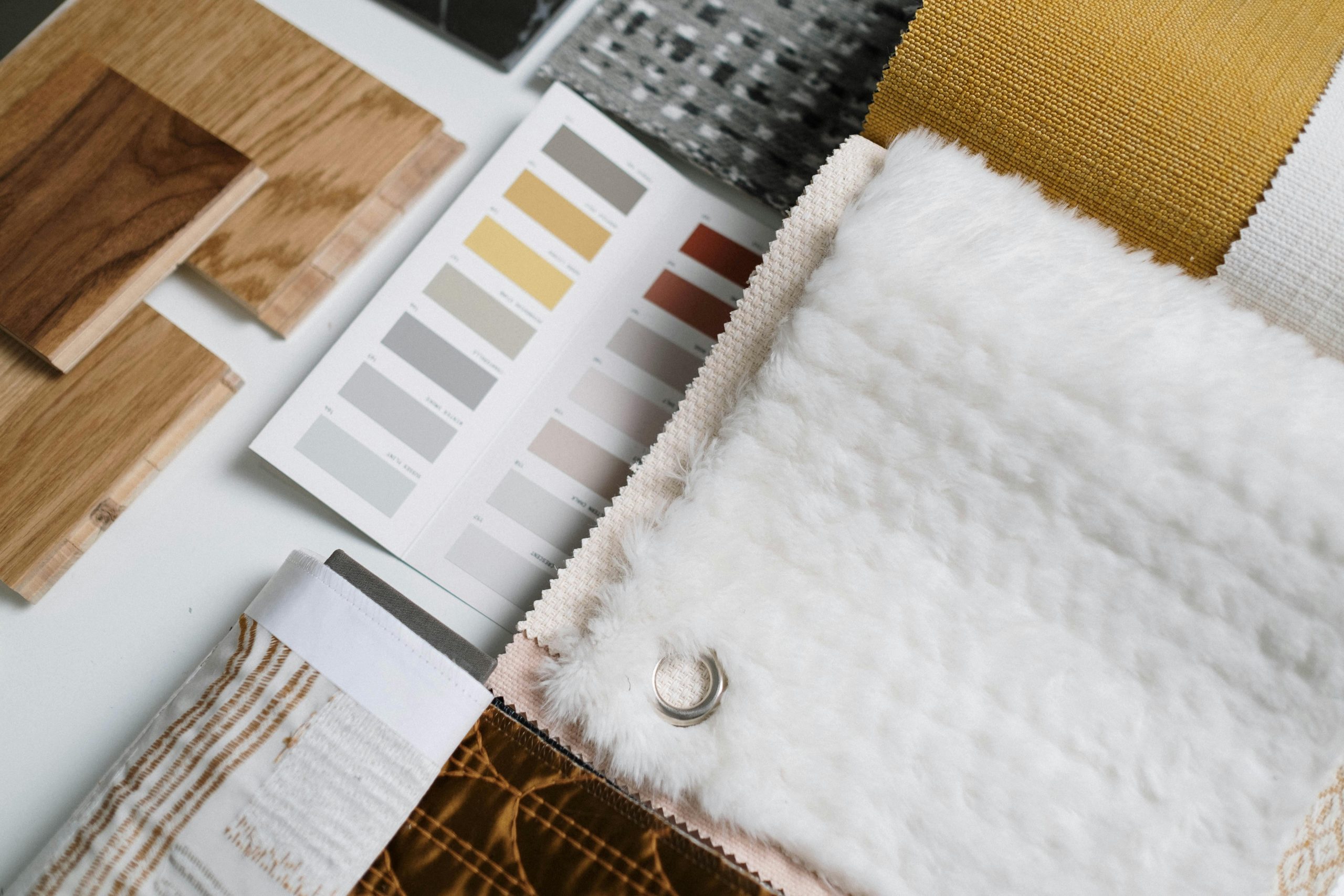
A successful renovation relies on choosing colours and materials that work together across the whole home. Kitchens, flooring, wall colours and even smaller details like handles or lighting all contribute to the overall look, so it helps to plan them side by side rather than as separate decisions.
Start with the elements that have the largest visual impact. Kitchen cabinetry, worktops and flooring usually set the tone, so choosing a palette you genuinely love is key. Warm neutrals, soft taupes and natural wood finishes continue to be popular because they create a calm, timeless base that is easy to build on with décor and accessories.
When selecting flooring, think about how it pairs with your kitchen style. Wood-effect LVT or engineered oak works beautifully with both traditional and modern kitchens, while stone-effect designs look elegant in clean, contemporary spaces. If you prefer contrast, you can choose flooring that is slightly darker or lighter than your cabinetry to add depth without overwhelming the room.
Texture plays an important role too. Matte finishes, brushed woods and subtle grain patterns can add warmth and interest, while smooth surfaces create a clean, modern feel. Mixing a few textures carefully can bring your home to life and help different areas feel connected yet distinct.
Don’t forget the smaller details. Hardware, lighting, splashbacks and paint colours can tie everything together. Even small choices such as warm-toned LED lighting or brushed nickel handles can complement your main materials and create a coherent look throughout your kitchen and living spaces.
Planning your colours and materials together ensures your 2026 renovation feels coordinated, balanced and beautifully designed from every angle.
2026 Kitchen Design Trends to Watch
If you’re planning a renovation for next year, now is a great time to start gathering ideas. Today’s kitchens are all about creating spaces that feel warm and inviting, without compromising on style. We’re seeing a real focus on warmth, texture and thoughtful details that make everyday living feel a little more special. We’ll be sharing more on 2026 kitchen and interiors trends in our January blog, so keep an eye out for that too.
Warm, neutral cabinetry is firmly here to stay. Shades like latte, cashmere and soft taupe are proving popular because they create a relaxed, timeless base that works in both modern and more classic homes. These tones pair beautifully with the textured finishes found in many of the Rotpunkt kitchen styles, from subtle woodgrain effects such as Sherwood Sand to smooth matt finishes that soften the overall look. Combined with layered worktops or natural timber accents, the result feels elegant without being overly formal.
Texture is becoming just as important as colour. Natural-looking materials are everywhere, with wood grains, brushed metals and low-sheen stone surfaces adding depth and interest. Rotpunkt’s sustainable BioBoard cabinetry reflects this shift perfectly, offering tactile finishes that feel contemporary, warm and considered. Many homeowners are also mixing finishes to create a more personal look, such as combining walnut-effect units with sleek doors or pairing soft-toned cabinetry with matt black or brushed metal handles.
Smart, integrated features continue to shape modern kitchen design and are now expected rather than optional. Clever storage, internal organisers and appliances that sit seamlessly within the cabinetry help keep spaces looking clean and uncluttered. Quooker boiling water taps remain a firm favourite for 2026, offering everyday convenience alongside a refined, minimalist design in finishes that complement modern kitchens. Induction hobs with built-in extraction like the BORA appliances, subtle lighting and flush appliances all contribute to kitchens that feel calm, streamlined and easy to use.
Open-plan living is still a major influence, with kitchens designed to flow naturally into dining and living areas. Using consistent colours, complementary materials and continuous flooring helps create a sense of connection throughout the space. Soft neutrals combined with textured surfaces, such as cashmere cabinetry paired with lightly grained wood flooring, support this move towards more relaxed, natural interiors.
These trends are a great source of inspiration, but the most successful kitchens are always the ones designed around how you live. Looking ahead to 2026, it’s clear that comfort, practicality and timeless design will remain at the heart of beautifully considered kitchen spaces.
Working with Trusted Local Experts
A renovation is a major investment, and working with experienced local specialists can make the process far smoother and more enjoyable. Local experts understand the styles, layouts and property types common in the area, which allows them to recommend solutions that genuinely suit your home.
Choosing a reputable kitchen and flooring provider means you benefit from personalised design support, in-depth product knowledge and clear guidance from start to finish. Working with a trusted, established team helps ensure a consistent and reliable experience at every stage, from selecting durable materials to delivering a high-quality installation. With a single point of contact throughout the project, the process feels simpler, more reassuring and far easier to manage.
By working with trusted experts, you can feel confident that your renovation will be completed to a high standard, using quality products that suit your style and budget.
Book a Consultation to Get Started
A consultation with our team gives you the chance to discuss ideas, explore design options and get expert guidance tailored to your home. Whether you are updating a single room or transforming your entire home, speaking with a specialist helps you make informed decisions from the start.
During your appointment, you can review kitchen ranges, compare flooring materials, look at samples and get clarity on timelines, costs and installation. This early insight helps you structure your project and gives you a realistic roadmap for the year ahead.
If you are ready to start planning your 2026 home renovation, our team at Surrey Floors and Kitchens is here to help. Get in touch to book your design consultation and begin turning your ideas into a beautifully finished space.